A Guide for Skilled Newcomers Planning to Work in Canada
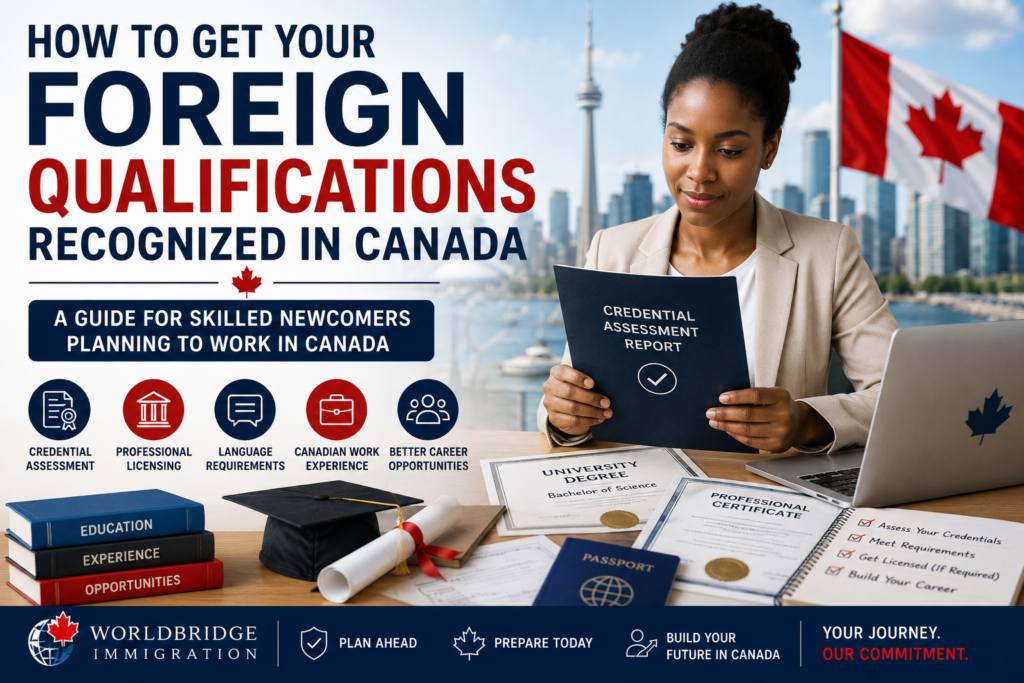
Moving to Canada is an exciting opportunity, but many skilled newcomers discover that having a degree or professional qualification from another country does not automatically mean they can work in the same occupation immediately after arrival.
Understanding how foreign qualifications in Canada are assessed can help you prepare before you move and reduce delays in starting your career.
This guide explains what qualification recognition means, why it matters, and the steps many newcomers take to have their education and professional credentials evaluated.
What Does Qualification Recognition Mean?
Qualification recognition is the process of assessing education, training, and professional experience obtained outside Canada.
The purpose is to determine how your qualifications compare to Canadian educational or professional standards.
Depending on your occupation, you may need a credential assessment, professional licensing, additional training, or a combination of these.
Why Is It Important?
Many employers want to understand how an applicant’s education compares with Canadian standards.
For some occupations, credential recognition can:
- Help employers understand your educational background.
- Support immigration applications where credential assessments are required.
- Be necessary before applying for professional licences.
- Improve your employment opportunities.
The exact requirements depend on your profession and the province or territory where you intend to work.
Understand the Difference Between Regulated and Non-Regulated Occupations
One of the first things you should determine is whether your occupation is regulated.
Regulated occupations
These professions usually require approval from a provincial or territorial regulatory authority before you can practise.
Examples include:
- Doctors
- Nurses
- Pharmacists
- Engineers
- Teachers
- Dentists
- Architects
Each profession has its own licensing requirements.
Non-regulated occupations
Many careers do not require a professional licence.
Employers may still request evidence of your education and experience, but there is generally no legal requirement to obtain a licence before working.
Obtain a Credential Assessment if Required
Some immigration programs and employers may require an Educational Credential Assessment (ECA) or another type of credential evaluation.
An assessment generally compares your completed education with Canadian educational standards.
The specific assessment required depends on your immigration pathway or profession.
Research Provincial Requirements
Professional licensing requirements can differ across Canada.
Before moving, research the province or territory where you plan to live.
Consider:
- Licensing requirements.
- Professional examinations.
- Language requirements.
- Registration fees.
- Required work experience.
- Continuing education obligations.
Planning ahead can save time after your arrival.
Gather Your Important Documents
Keep copies of documents such as:
- Degree certificates.
- Diplomas.
- Academic transcripts.
- Professional licences.
- Employment reference letters.
- Training certificates.
- Identification documents.
You may also need certified translations if your documents are not in English or French.
Improve Your Language Skills
Many professions require applicants to demonstrate proficiency in English or French.
Strong communication skills can also improve your employment opportunities and workplace success.
If necessary, consider language training before or after arriving in Canada.
Gain Canadian Workplace Knowledge
Learning about Canadian workplace expectations can help you transition more smoothly.
You may benefit from:
- Professional networking.
- Mentorship programs.
- Employment preparation workshops.
- Resume and interview preparation.
- Industry-specific training.
These opportunities can help you understand employer expectations and expand your professional network.
Common Mistakes to Avoid
Many newcomers face delays because they:
- Assume their qualifications will automatically be recognized.
- Wait until arriving in Canada before researching requirements.
- Misplace important educational documents.
- Apply for regulated jobs before meeting licensing requirements.
- Ignore language proficiency expectations.
Preparing early can make the transition much easier.
Why Professional Guidance Can Help
Understanding qualification recognition can be challenging, particularly for regulated professions.
Professional guidance may help you:
- Understand immigration-related credential requirements.
- Identify the appropriate assessment process.
- Prepare supporting documents.
- Plan your career pathway before arriving in Canada.
- Avoid unnecessary delays.
Receiving accurate information can help you make informed decisions.
Final Thoughts
Understanding how foreign qualifications in Canada are recognized is an important step for anyone planning to build a professional career after immigrating. While recognition requirements vary depending on the occupation and province, preparing in advance can help you navigate the process more efficiently.
Research your profession carefully, organize your documents, and understand any licensing or assessment requirements before making career decisions.
Need Help Planning Your Move to Canada?
Worldbridge Immigration supports individuals and families throughout their Canadian immigration journey. Whether you are applying as a skilled worker, international graduate, or family-sponsored immigrant, our experienced team can help you understand immigration pathways and prepare for a successful transition to life in Canada.