For many newcomers, international students and families preparing for life in Canada, the biggest challenges are not always the ones that make headlines. Sometimes it is knowing what to wear during the first Canadian winter. Sometimes it is understanding how credit works, how to open a bank account, what to look for before signing a lease, how public transit works in a new city, or how to recognize a scam before money is lost. These may sound like small things. They are not. They shape how quickly people feel settled, how confidently they make decisions and, in many cases, how successfully they begin their lives in Canada. That is the thinking behind the Worldbridge Practical Guide Series, a growing collection...
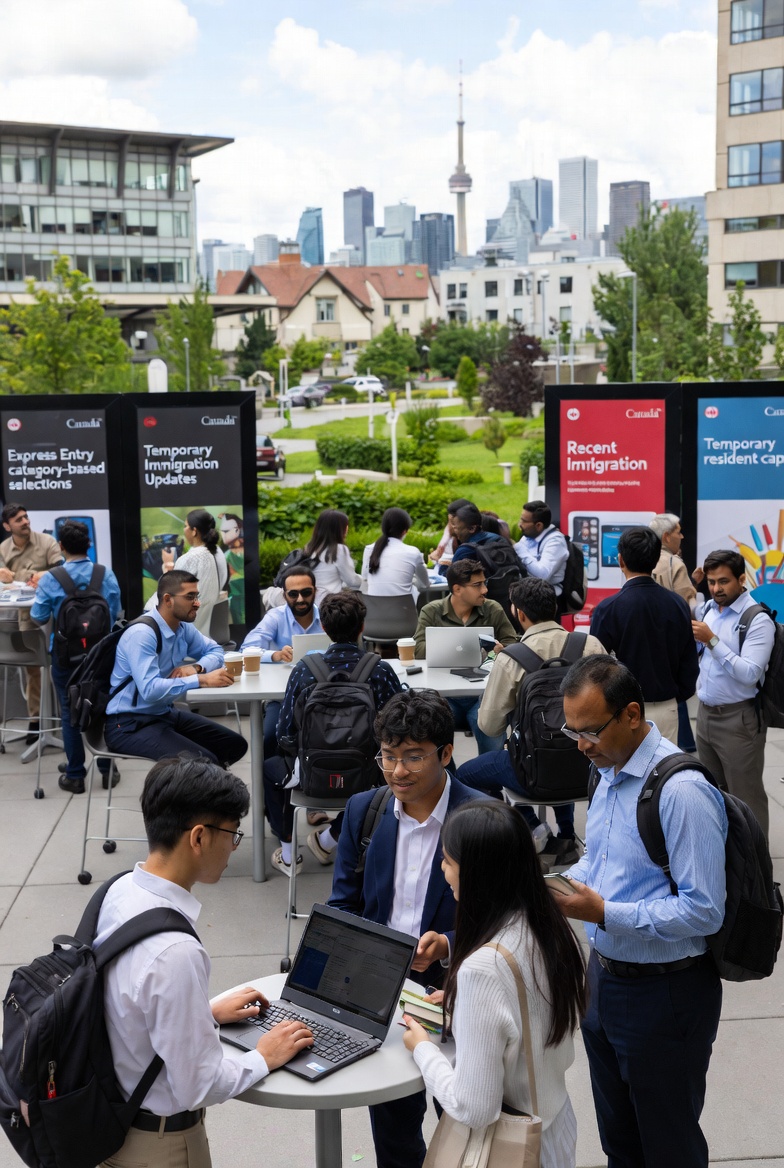
Canada’s immigration system continues its transition to sustainable levels under the 2026–2028 Immigration Levels Plan, with a strong focus on prioritizing skilled workers already in Canada, top talent in key...