
A Complete Guide for Tourists, Family Visitors, and Business Travelers
Canada welcomes millions of visitors every year who travel for tourism, family visits, business meetings, and other temporary purposes. If you plan to visit Canada and are from a country that requires a visa, you may need to apply for a Canada visitor visa before you travel.
Applying for a visitor visa involves more than simply completing an application form. Immigration officers assess whether applicants meet the requirements for temporary entry and whether they are likely to comply with the conditions of their stay.
This guide explains what a Canada visitor visa is, who may need one, the documents commonly required, and how the application process generally works.
What Is a Canada Visitor Visa?
A Canada visitor visa, also known as a Temporary Resident Visa (TRV), is an official document placed in your passport that allows eligible foreign nationals to travel to Canada for temporary purposes.
A visitor visa may be issued for reasons such as:
- Tourism
- Visiting family or friends
- Business meetings
- Short-term courses where permitted
- Other temporary activities allowed under Canadian immigration rules
Holding a visitor visa does not automatically guarantee entry into Canada. Final decisions on admission are made by border officials when you arrive.
Who Needs a Canada Visitor Visa?
Whether you need a visitor visa depends on your nationality and travel document.
Some foreign nationals require a visitor visa before travelling to Canada, while others may instead need an Electronic Travel Authorization (eTA) or may be exempt from both requirements.
Before making travel plans, always confirm the entry requirements that apply to your citizenship.
Eligibility Requirements
To qualify for a Canada visitor visa, applicants are generally expected to satisfy immigration officers that they meet the requirements for temporary entry.
Depending on your circumstances, officers may consider factors such as:
- The purpose of your visit
- Your financial situation
- Your travel history
- Your ties to your home country
- Your intention to leave Canada at the end of your authorized stay
- Your overall admissibility under Canadian immigration law
Every application is assessed individually.
Documents You May Need
Document requirements vary depending on your individual situation.
Applicants may be asked to provide documents such as:
- A valid passport
- Completed application forms
- Passport-sized photographs where required
- Evidence of financial support
- Travel itinerary, where applicable
- Invitation letter if visiting family or friends
- Supporting documents that explain the purpose of the visit
- Additional documents requested by immigration authorities
Providing complete and accurate documentation can help reduce processing delays.
How to Apply
The application process generally includes the following steps:
- Confirm that you need a visitor visa.
- Gather the required documents.
- Complete the application forms.
- Pay the applicable fees.
- Submit your application.
- Provide biometrics if required.
- Wait for a decision.
Some applicants may also be asked to complete additional requirements during processing.
Biometrics and Medical Examinations
Many visitor visa applicants are required to provide biometrics.
Depending on your circumstances, some applicants may also need to complete a medical examination if requested during the application process.
Applicants should carefully follow all instructions provided by immigration authorities.
How Long Does Processing Take?
Processing times vary depending on factors such as:
- The country where you apply
- Application volume
- The completeness of your application
- Individual security or background checks
Published processing times are estimates and may change over time.
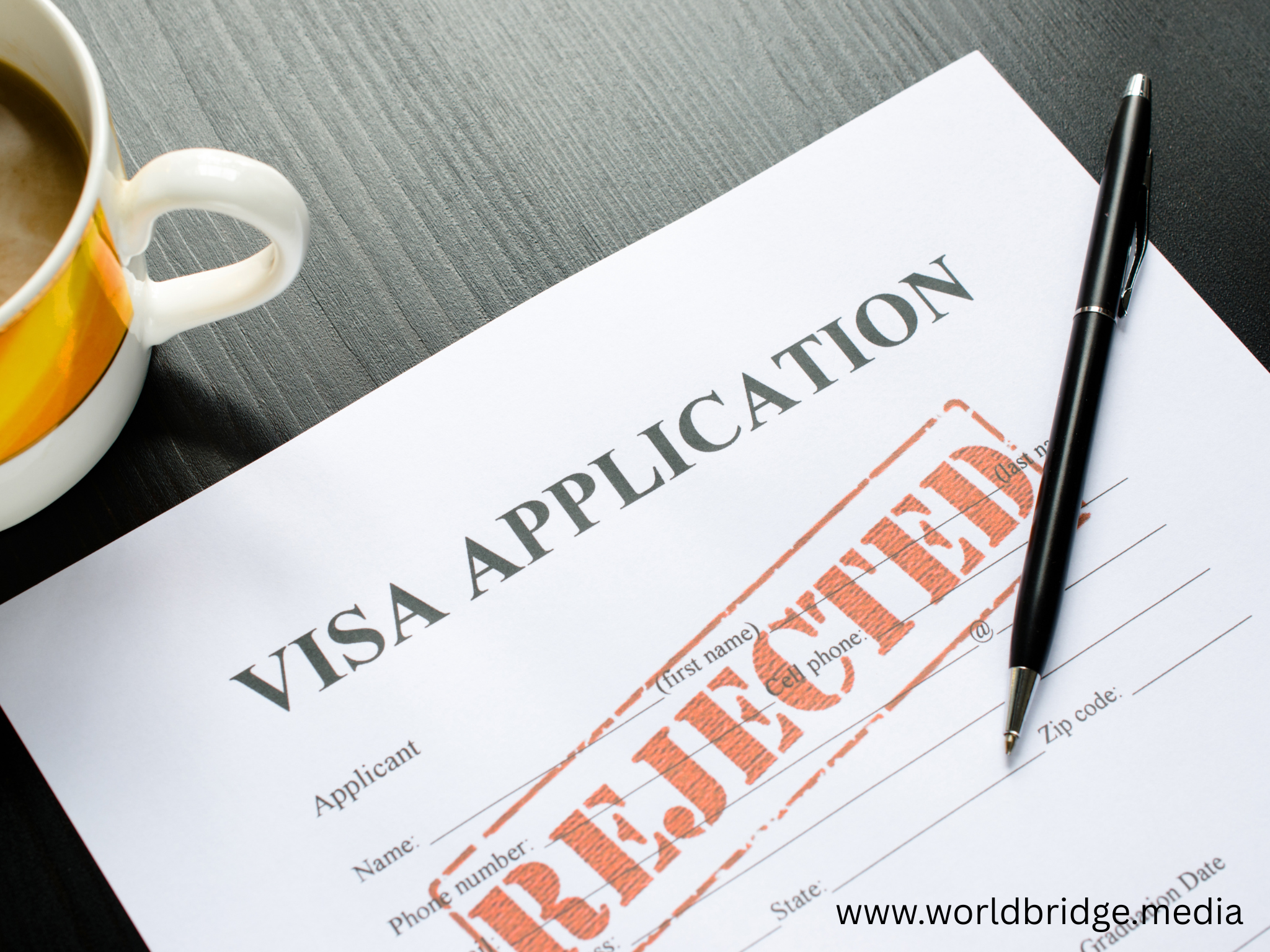
Common Reasons Visitor Visas Are Refused
Although every application is assessed individually, visitor visas may be refused for various reasons.
Examples include:
- Insufficient supporting documents
- Concerns about the purpose of the visit
- Inadequate evidence of financial support
- Weak ties to the applicant’s home country
- Inconsistent or inaccurate information
- Other admissibility concerns under Canadian immigration law
Preparing a complete and truthful application can improve the quality of your submission.
Tips for a Strong Application
To help strengthen your visitor visa application:
- Submit complete and accurate information.
- Organize all supporting documents carefully.
- Clearly explain the purpose of your visit.
- Demonstrate that you intend to leave Canada when your authorized stay ends.
- Respond promptly to any requests from immigration authorities.
Careful preparation can make the application process smoother.
Why Professional Guidance Can Help
Preparing a visitor visa application may seem straightforward, but every applicant’s situation is unique.
Professional guidance can help you:
- Understand application requirements.
- Prepare complete documentation.
- Avoid common mistakes.
- Respond appropriately to requests from immigration authorities.
- Better understand the overall immigration process.
Receiving reliable advice can help reduce uncertainty throughout your application.
Final Thoughts
Applying for a Canada visitor visa requires careful preparation, accurate documentation, and a clear understanding of Canada’s temporary entry requirements. While every application is assessed on its own merits, submitting a complete and well-prepared application can help support a smoother process.
Before applying, ensure that you understand the current requirements, gather all necessary documents, and provide truthful information throughout your application.
Need Help with Your Canada Visitor Visa Application?
Worldbridge Immigration helps individuals and families understand Canadian immigration requirements and prepare complete visitor visa applications.
Whether you are travelling for tourism, business, or to visit family and friends, our experienced team is ready to guide you through every stage of your Canadian immigration journey.