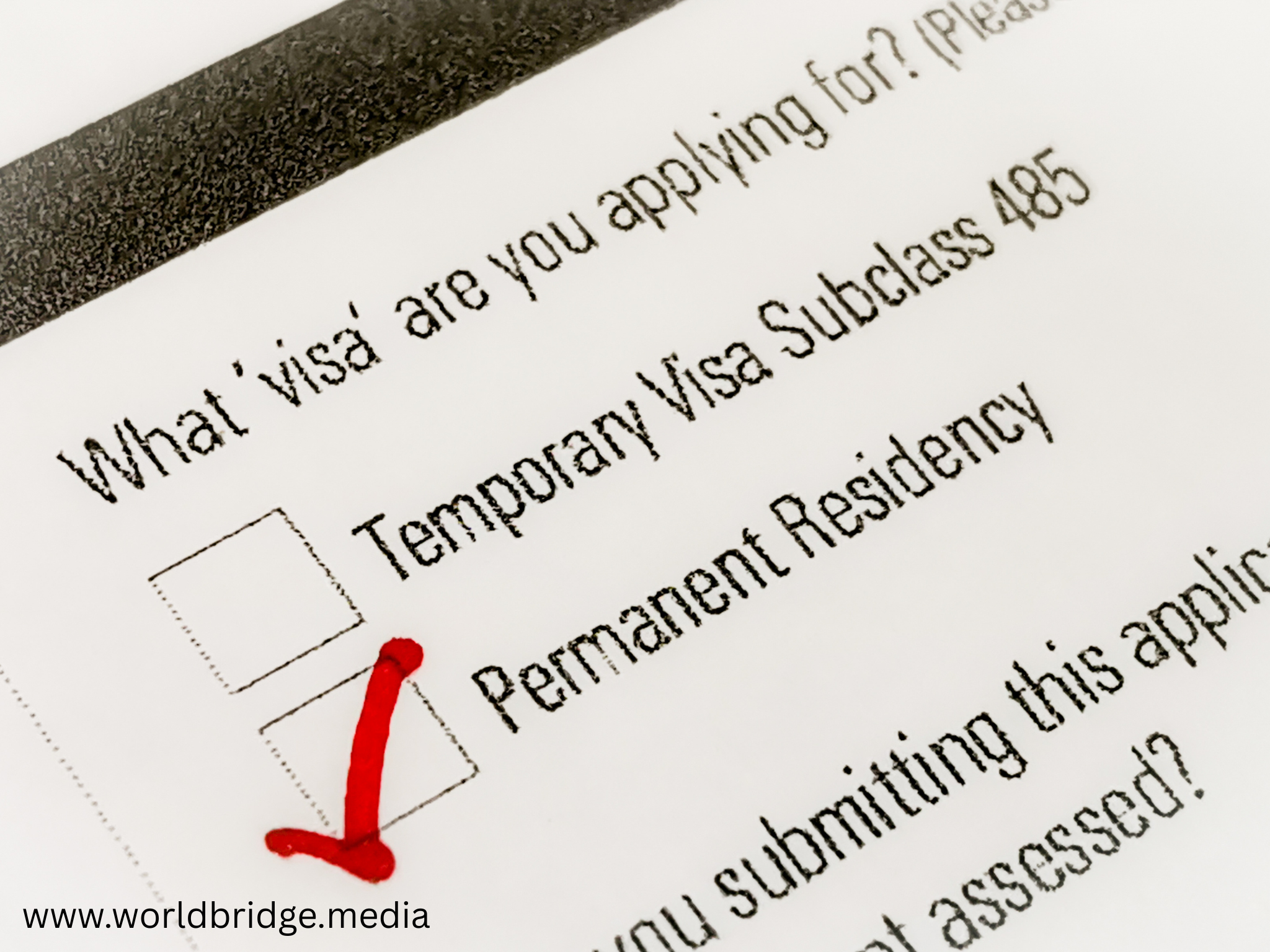

Canada is moving away from high-volume immigration toward a capacity-based and more selective system. While permanent residence (PR) will remain central to economic growth, future Immigration Levels Plans are likely to:
- Stabilize or modestly reduce PR targets
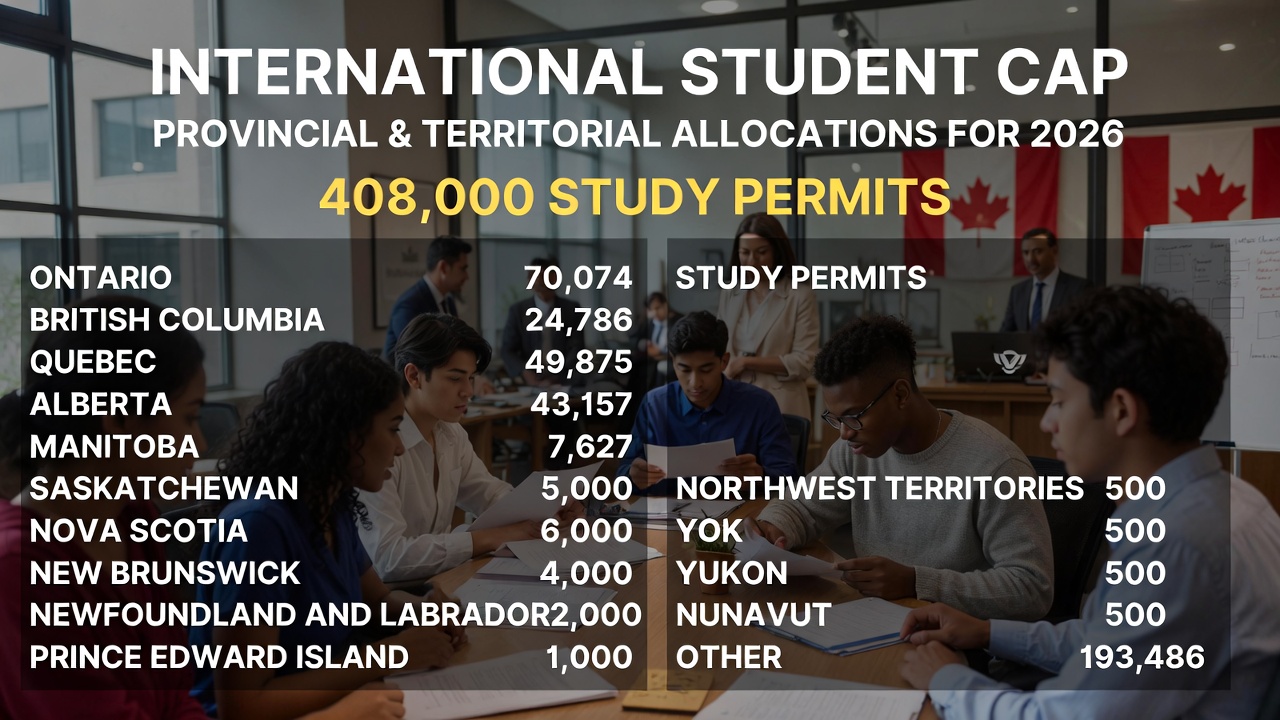
- Tighten temporary resident intake (students and workers)
- Prioritize in-Canada transitions, critical skills, and provincial needs
For applicants, this means stronger profiles, clearer plans, and better documentation will matter more than ever.
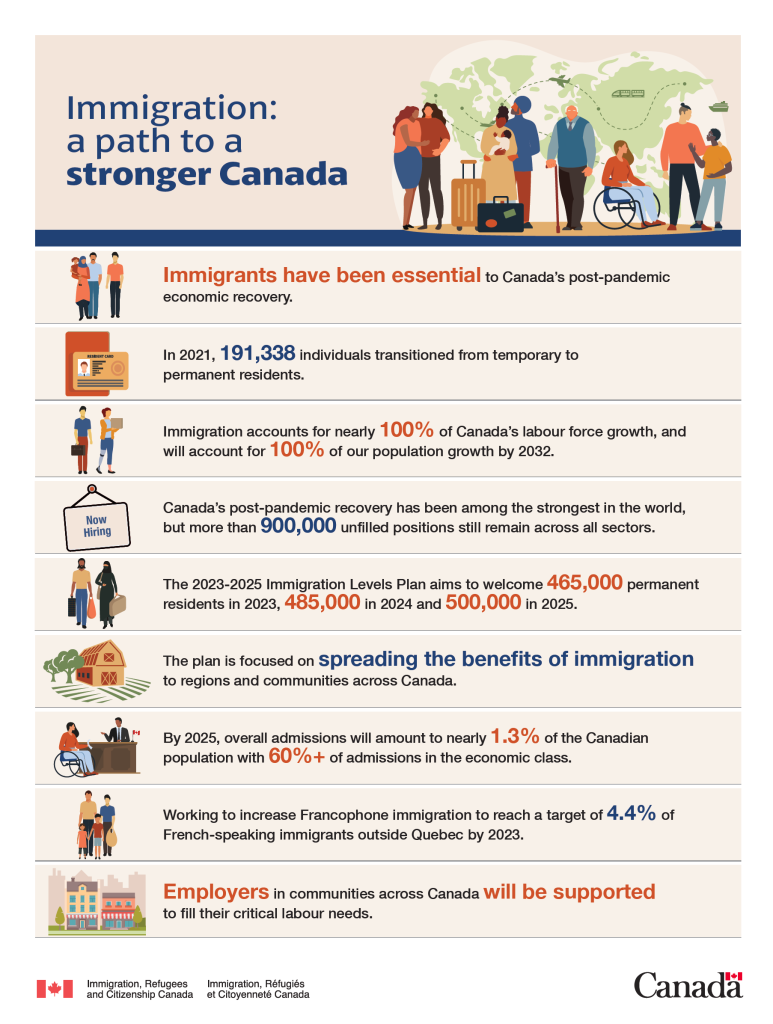
Understanding the Immigration Levels Plan (in simple terms)
The Immigration Levels Plan is the official framework through which Canada decides:
- how many permanent residents to admit each year,
- how admissions are distributed across Economic, Family, and Humanitarian/Refugee streams,
- and increasingly, how immigration aligns with housing, healthcare, labour markets, and social capacity.
What has changed recently is not just how many people Canada wants, but how quickly and through which pathways they arrive.
Why Canada Is Recalibrating Its Immigration Targets
1. Housing and Infrastructure Pressure
Canada’s population growth over the last few years has outpaced:
- housing construction,
- healthcare staffing,
- public transit and community services.
As a result, policymakers are now linking immigration targets to absorption capacity, not just labour demand. This is a major philosophical shift.
Key assumption:
Future Levels Plans will increasingly ask “Can communities handle this growth?” before asking “Do employers need workers?”
2. Temporary Residents Became the Pressure Point
International students and temporary workers grew rapidly, pushing non-permanent residents to historic highs.
Rather than shutting immigration entirely, Canada has chosen a pressure-valve approach:
- keep PR pathways alive,
- slow down temporary inflows,
- convert eligible people already in Canada to PR instead of increasing new arrivals.
This explains study permit caps, PGWP tightening, and stricter work permit rules.
3. Political and Public Sentiment
Immigration remains economically necessary, but public confidence now plays a bigger role.
When affordability and housing dominate public debate:
- governments tend to emphasize control and selectivity,
- messaging shifts from “growth” to “balance.”
This does not mean Canada is closing its doors—it means standards rise.
How the Immigration Levels Plan Is Likely to Evolve (2026–2028)
Trend 1: Stable PR Targets, Not Aggressive Growth
Instead of rapid increases, future plans will likely:
- maintain PR admissions within a controlled range,
- avoid large year-on-year jumps,
- emphasize predictability over expansion.
Why this matters:
Applicants should not expect “easier” pathways just because targets exist. Competition remains high.
Trend 2: Economic Immigration Will Stay Protected
Even with tighter controls, Canada will continue prioritizing:
- healthcare workers,
- skilled trades,
- caregivers,
- essential services.
The economic class will remain the backbone of the Levels Plan because it supports:
- productivity,
- tax base growth,
- demographic sustainability.
Trend 3: Stronger Role for Provinces (PNPs)
Provinces are better positioned to:
- identify local labour shortages,
- manage settlement distribution,
- align immigration with regional housing supply.
Prediction:
Provincial Nominee Programs (PNPs) will quietly gain more influence relative to federal-only pathways.
Trend 4: Preference for In-Canada Transitions
Future plans are likely to favour:
- temporary workers becoming PR,
- international graduates with strong compliance records,
- candidates already contributing economically.
This reduces settlement risk and political resistance.
Three Possible Scenarios for Future Immigration Levels Plans
Scenario 1: Controlled Stability (Most Likely)
- PR targets remain steady
- Temporary resident intake stays capped
- Strong filtering through category-based and regional selection
Implication:
Well-prepared applicants succeed; weak or poorly planned applications struggle.
Scenario 2: Gradual Expansion (Conditional)
- PR targets slowly rise again
- Only if housing supply and services improve
- Public confidence recovers
Implication:
Opportunities expand, but selectivity remains.
Scenario 3: Further Tightening (Risk Scenario)
- PR numbers reduced
- Higher refusal rates
- Stronger compliance and enforcement
Trigger:
Sustained housing crisis or election-driven policy shifts.
What This Means for Different Applicant Groups
For Overseas PR Applicants
- Higher CRS thresholds and tighter selection
- Clear advantage for priority occupations
- Documentation quality is no longer optional—it’s decisive
For International Students
- Study choice matters more than ever
- Schools, programs, and career alignment will be scrutinized
- PGWP is still valuable, but no longer guaranteed as a PR bridge
For Temporary Workers in Canada
- Canadian experience remains a strong asset
- Employer continuity and compliance matter
- Provincial pathways may offer better odds than federal ones
For Family Sponsorship Applicants
- Family reunification remains politically important
- Processing times may fluctuate due to capacity constraints
- Strong documentation reduces delays and refusals
Key Signals to Watch Going Forward
To understand where the next Levels Plan is heading, watch for:
- Annual Immigration Levels Plan tables
- Policy announcements on students and work permits
- Provincial nomination quota changes
- Language in government reports about “capacity” and “balance”
These signals often appear months before official target changes.
Final Takeaway: What This Means in One Sentence
Canada is not ending immigration—it is professionalizing, filtering, and slowing it down, favouring quality, contribution, and readiness over sheer numbers.
Immigration policy is evolving quickly, and the right pathway depends on your profile, timing, and documentation.
If your situation requires personalized guidance, book a consultation with our regulated team to understand your best options under Canada’s changing immigration system.