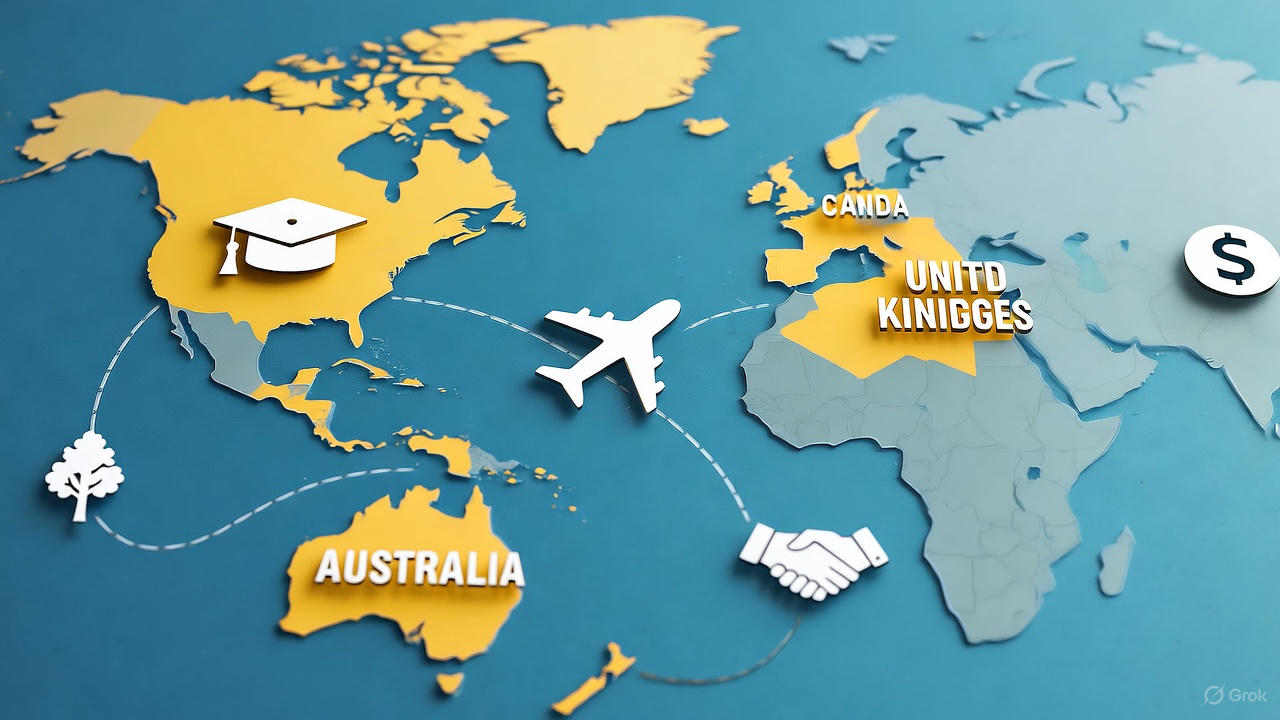
The global immigration landscape in 2026 is defined by a clear tension: countries are simultaneously restricting overall inflows to address domestic pressures (housing, public services, security) while competing fiercely for high-skilled talent in key sectors like tech, healthcare, green energy, and defense. This “right-sizing” approach sharply reducing temporary and low-skilled migration while opening targeted pathways for skilled workers dominates policy in high-income nations. Meanwhile, humanitarian displacement remains high due to conflict, climate shocks, and economic instability.
Here are the major trends shaping international migration this year.
1. Sharp Reductions in Temporary and Non-Skilled Migration
High-income countries have accelerated efforts to lower temporary resident populations and irregular arrivals:
- Canada cut new temporary arrivals by ~43% (capped at 385,000), with study permit new arrivals down ~49% and work permits tightened.
- United States under the Trump administration expanded travel bans (affecting dozens of countries), paused parts of the Diversity Visa lottery, and projected near-zero or negative net migration in 2025–2026 due to removals, visa restrictions, and enforcement.
- EU and Schengen area continued implementing stricter border controls, faster asylum processing under the new Common Asylum Pact, and reduced humanitarian admissions.
- Australia and New Zealand maintained or tightened skilled migration thresholds while pausing or reviewing investor programs.
This reflects widespread political and public pressure to “right-size” immigration amid economic and infrastructure strains.
2. Aggressive Competition for Skilled and High-Value Talent
While overall numbers drop, countries are racing to attract top professionals, researchers, and investors:
- Express Entry category-based draws in Canada now include new priorities like researchers/senior managers with Canadian experience, transport occupations, and military recruits (e.g., pilots, doctors).
- EU Blue Card updates and national schemes focus on STEM, healthcare, and green sectors.
- Australia’s National Innovation Visa and similar programs target high-net-worth individuals and entrepreneurs.
- UAE and Gulf states expand Golden Visa programs for investors and skilled workers.
- United States and others introduce or weight H-1B-like systems toward higher-wage roles and critical sectors.
The global talent shortage (projected 85 million worker gap by 2030 in some reports) drives this “race for talent,” with digital nomad visas, remote work pathways, and fast-track programs proliferating.
3. Increased Digital and Security Scrutiny
Migration processes are becoming more digital and vetted:
- Expanded biometric screening, social media checks, and online pre-travel authorizations (ETAs, e-visas).
- Longer processing times in many jurisdictions (20+ countries reported delays).
- Higher minimum salary thresholds and stricter compliance for work visas.
- Investment migration programs shift toward regulatory credibility and due diligence over speed/minimum investment.
4. Persistent Humanitarian and Displacement Pressures
Despite restrictions, forced migration remains high:
- IOM reports 41 million people needing support in 2026, with conflict (Sudan, Ukraine, Gaza, etc.) and climate disasters displacing millions.
- Internal displacement hit record highs (83+ million), with protracted crises in Sub-Saharan Africa, Middle East, and Asia.
- Refugee admissions and asylum pathways face cuts (e.g., US refugee cap reductions, EU temporary protection adjustments).
5. Regional Diversification and Emerging Hubs
Companies and individuals are diversifying away from traditional destinations:
- Southeast Asia (Singapore, Malaysia) offers tax advantages and growing tech ecosystems.
- Latin America (Mexico, Brazil) benefits from nearshoring.
- Central/Eastern Europe provides EU access and stable governance.
- Africa and Middle East see rising investor interest in citizenship/residency programs.
This reflects resilience against geopolitical risks and cost pressures.
Implications for 2026 and Beyond
Global immigration in 2026 is more selective, digital, and talent-focused than ever. Low-skilled and temporary migration faces barriers, while skilled professionals, researchers, and investors have expanding (but competitive) opportunities. Humanitarian needs persist amid reduced admissions.
For individuals and businesses, success depends on aligning with priority sectors, preparing strong documentation, and staying informed about fast-changing rules.
Worldbridge helps navigate these trends whether you’re exploring skilled pathways in Canada, investor options elsewhere, or managing compliance amid global shifts. Contact us for personalized guidance on your international mobility plans in 2026! 🌍
For official updates, consult government sites (IRCC, USCIS, Home Affairs Australia, EU portals) or IOM/UN reports. Policies evolve rapidly stay proactive.
Let Worldbridge Immigration Services be your guide to a successful future in Canada
Contact us:
Website: www.theworldbridge.ca
Email: info@theworldbridge.ca
Phone/WhatsApp: +1-416-727-7766
Social media: @worldbridgeHQ