When governments speak about strengthening economic ties, the conversation typically centres on trade agreements, diplomatic missions, and capital investment. Less visible, yet increasingly decisive, is another force quietly reshaping global competitiveness: the movement of people. Talent mobility, workforce migration, and international education partnerships have become central pillars of economic strategy. Nations no longer compete only through exports and financial flows. They compete through their ability to attract skills, respond to labour market needs, and build cross-border knowledge networks. Across advanced economies, demographic pressures are intensifying. OECD data continues to show aging populations and shrinking ratios of working-age citizens to retirees. Canada is not immune to these structural shifts. Statistics Canada projects that immigration will account for virtually all net labour...


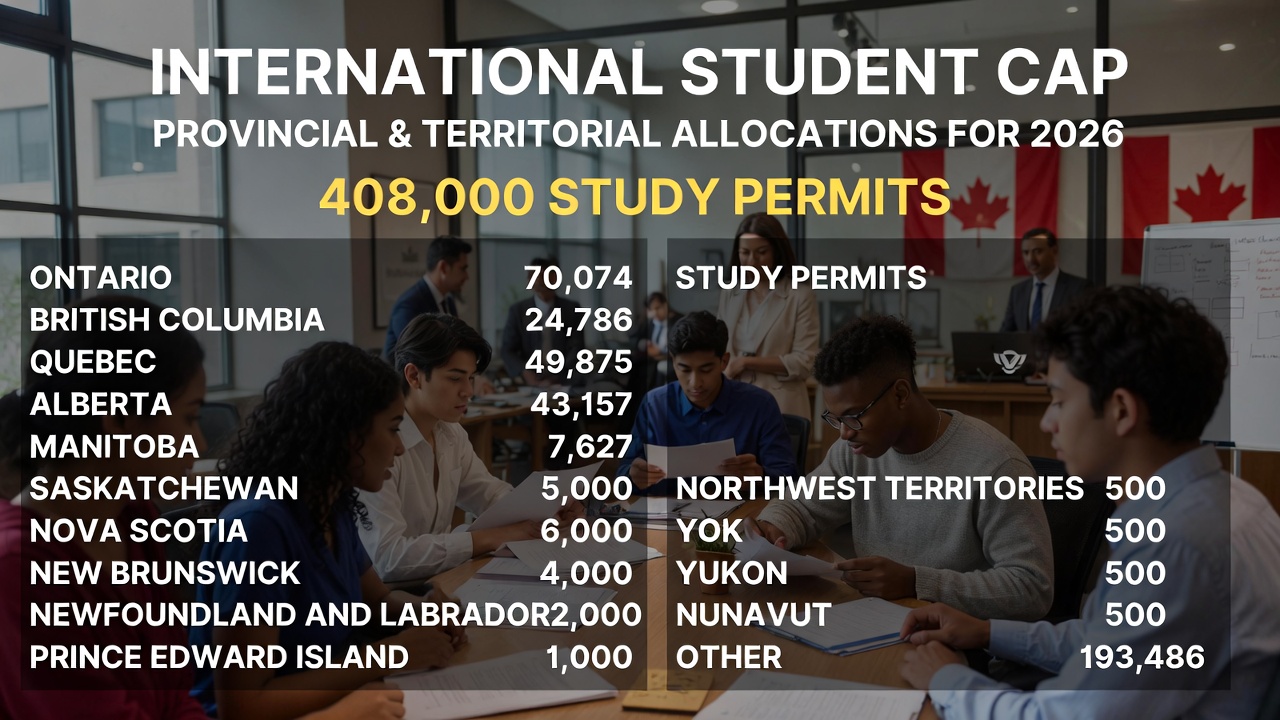
Canada’s international education sector continues to play a vital role in economic growth, cultural diversity, and talent attraction. However, to ensure sustainable growth and address pressures on housing, healthcare, and...




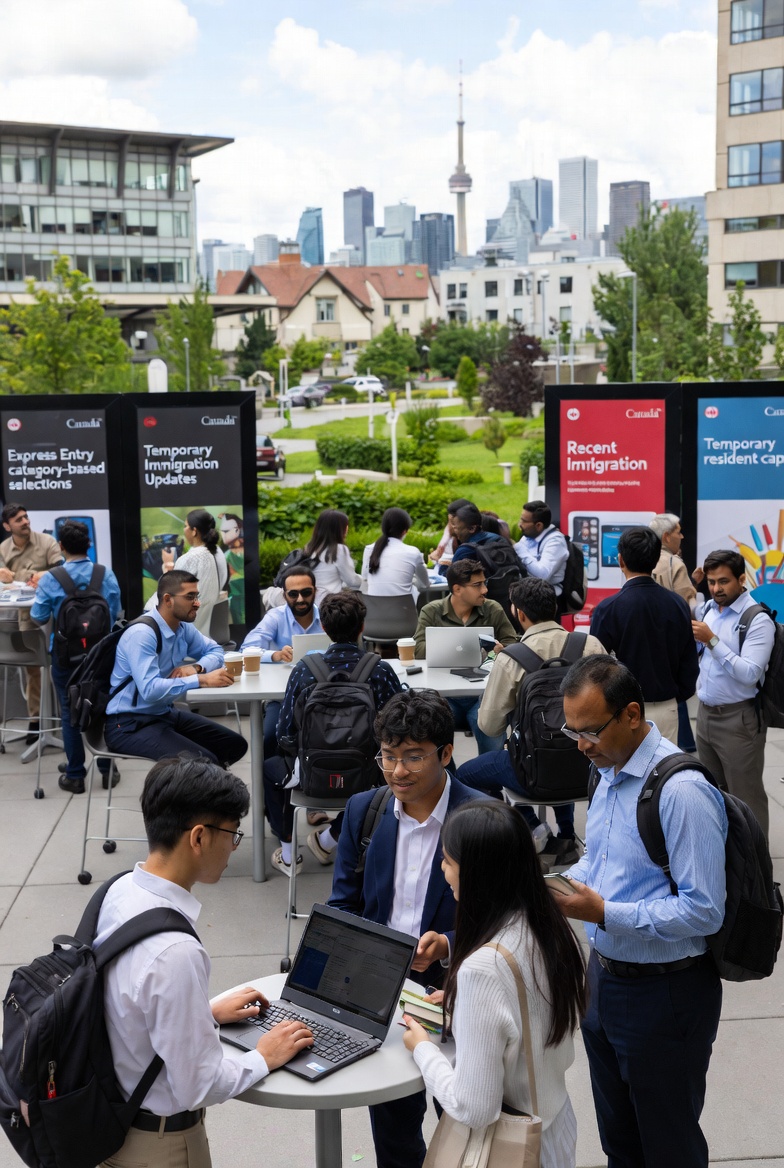


Immigration, Refugees and Citizenship Canada (IRCC) has launched a significant new initiative to transition up to 33,000 temporary foreign workers into permanent residents over 2026 and 2027. This...