
Immigration, Refugees and Citizenship Canada (IRCC) has launched a significant new initiative to transition up to 33,000 temporary foreign workers into permanent residents over 2026 and 2027. This targeted pathway is one of the key highlights of Canada’s 2026–2028 Immigration Levels Plan and reflects a clear policy shift toward rewarding skilled workers who are already living and contributing in Canada.
What Is the New Temporary-to-Permanent Resident Pathway?
This program is designed specifically for temporary residents who have built strong ties to Canada through work, taxes, and community involvement. It aims to provide a faster and more predictable route to permanent residency (PR) for those who have demonstrated their value to the Canadian economy and society.
Key Features of the Pathway:
- Target: Up to 33,000 temporary foreign workers will be fast-tracked to PR between 2026 and 2027.
- Focus: Workers in high-demand sectors and those with proven Canadian work experience.
- Timeline: Applications are being accepted and processed throughout 2026 and into 2027.
- Advantage: This is an in-Canada only pathway, meaning it strongly benefits people already working in the country on work permits.
Who Is Eligible?
While full program details are being rolled out gradually, the pathway generally targets temporary workers who meet the following criteria:
- Have at least 1 year of skilled Canadian work experience (TEER 0, 1, 2, or 3).
- Have paid taxes in Canada and demonstrated community integration.
- Work in occupations facing labor shortages (healthcare, trades, transport, STEM, agriculture, and caregiving are expected to be prioritized).
- Hold valid temporary status (work permit) at the time of application.
- Meet standard Express Entry or PNP admissibility requirements (language, education, no inadmissibility).
This pathway complements the ongoing Canadian Experience Class (CEC) draws, which have been very active in 2026 with CRS cutoffs in the 507–511 range.
Why Is Canada Creating This Pathway?
The Canadian government has two main goals with this initiative:
- Retain talent already in Canada — Instead of losing skilled workers when their temporary permits expire, Canada wants to keep them as permanent residents.
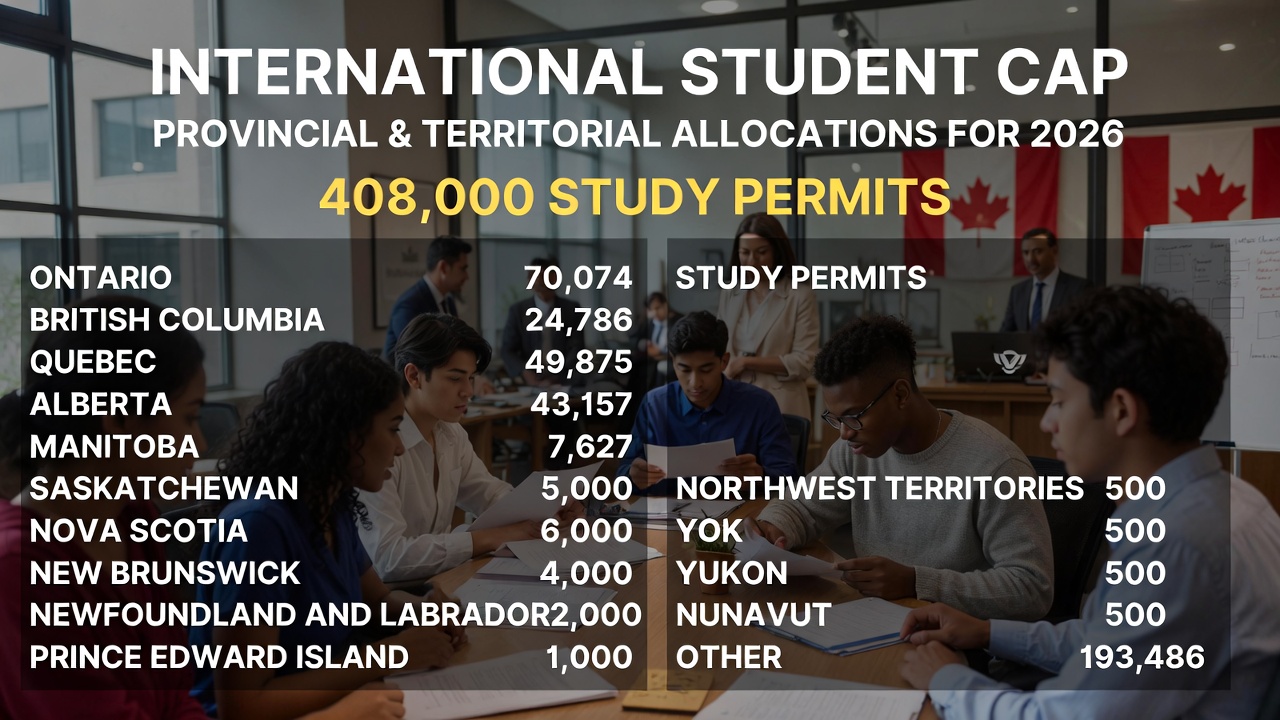
- Support economic recovery and labor needs — With temporary resident arrivals sharply reduced (capped at 385,000 in 2026), transitioning proven workers helps fill critical labor gaps without adding pressure on housing and services.
This move aligns with the broader 2026 strategy of stabilizing permanent resident admissions at 380,000 per year while significantly cutting new temporary inflows.
What Should Temporary Workers Do Now?
If you are currently working in Canada on a work permit:
- Check your eligibility for Canadian Experience Class (CEC) first — many will qualify through regular Express Entry draws.
- Monitor IRCC announcements for the official launch and specific eligibility criteria of the 33,000-person pathway.
- Keep your work permit valid (apply for extension early if needed).
- Consider improving your CRS score through better language test results or pursuing a Provincial Nominee Program (PNP) nomination for an even stronger chance.
- Gather documents early: reference letters, tax records (NOA), proof of residence, and language test results.
Worldbridge is actively helping temporary workers in Canada take advantage of this new pathway. Our Regulated Canadian Immigration Consultants (RCICs) can assess your eligibility, optimize your Express Entry profile, and guide you through both CEC and this new transition stream. Contact us today for a free assessment and let us help you secure your permanent residency in 2026! 🇨🇦
For official updates, regularly check the IRCC website (canada.ca) and the Express Entry page. More details on application intake and specific occupations are expected to be released in the coming weeks.
This is excellent news for temporary workers who have already built their lives in Canada — 2026 is shaping up to be a strong year for in-Canada PR pathways.