
If you’re in the Express Entry pool in 2026, learning or improving your French could be one of the smartest moves you make for your Canadian permanent residency journey.
The answer is clear: Yes, French language proficiency gives a very significant advantage in Express Entry this year. In fact, it is currently one of the strongest factors that can dramatically lower your required CRS score and dramatically increase your chances of receiving an Invitation to Apply (ITA).
Why French Matters So Much in 2026
Canada has set ambitious targets to increase Francophone immigration outside Quebec. As part of the 2026–2028 Immigration Levels Plan, IRCC is actively using category-based draws to prioritize candidates with strong French skills.
Recent real results show just how powerful French can be:
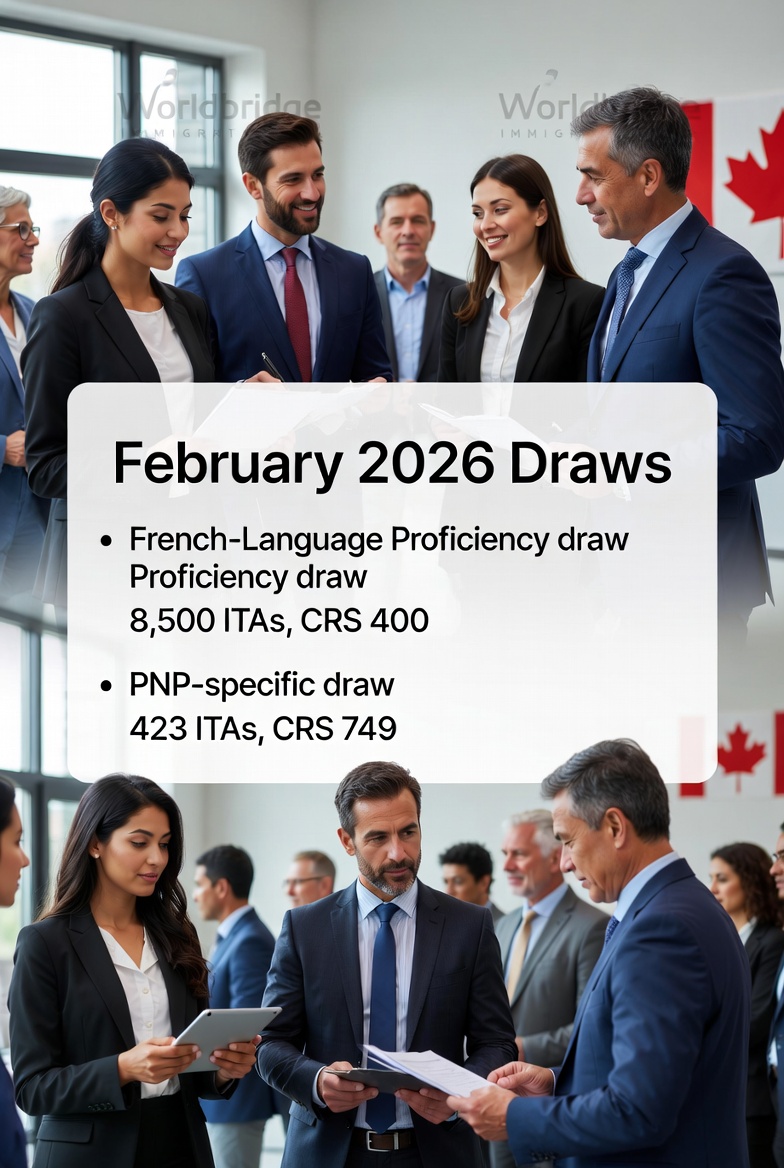
- March 18, 2026 – French-language proficiency category draw: 4,000 ITAs issued at a minimum CRS of only 393.
- Earlier French draws in March also had cutoffs in the 390–410 range.
Compare that to recent CEC-only draws, which required CRS scores of 507–511. That’s a difference of over 100 points — a massive advantage that can make the difference between waiting for months or receiving an ITA within weeks.
How French Gives You an Edge in Express Entry 2026
- Access to Dedicated Category Draws French proficiency is a standalone category. If you score CLB 7 or higher in French (especially in speaking and listening), you become eligible for these special draws, which have much lower CRS cutoffs than general or CEC draws.
- Additional CRS Points Even if you don’t get invited through a category draw, strong French skills give you extra points in the Comprehensive Ranking System:
- Up to 50 additional CRS points for French (on top of your English score).
- Even better if you are strong in both English and French (bilingual bonus).
- Alignment with Government Priorities IRCC is under pressure to meet Francophone immigration targets (aiming for 10%+ of all admissions outside Quebec by 2028). This makes French-speaking candidates highly desirable right now.
Who Benefits the Most?
- Candidates with CRS scores between 400–520 (the “middle range”) benefit the most.
- Temporary workers and international students already in Canada who have basic-to-intermediate French.
- Applicants in any occupation — French draws have no occupation restriction.
Even moderate French ability (CLB 7) can open doors that would otherwise require a much higher overall CRS score.
Practical Advice for 2026
- Take a French test soon — TEF Canada or TCF Canada are the accepted tests. Focus on improving speaking and listening first.
- Aim for at least CLB 7 in French to qualify for category draws.
- Combine with English — Being bilingual (strong English + French) gives you the maximum language points.
- Update your profile immediately after getting improved French results this resets your tie-breaking date and makes you eligible for upcoming French draws.
Bottom Line
In 2026, French is not just an advantage it is one of the most powerful tools to boost your chances in Express Entry. A relatively modest investment in French language improvement can save you months of waiting and significantly raise your odds of success.
If your current CRS is below 500–510 and you don’t have French, strongly consider starting French lessons or test preparation now.
Worldbridge helps many clients improve their Express Entry chances through French strategy and profile optimization. Our RCICs can review your current profile, advise on the best French test approach, and prepare you for both French category draws and CEC rounds. Contact us for a free assessment — let’s turn your French skills into a fast ITA in 2026!
Let Worldbridge Immigration Services be your guide to a successful future in Canada
Contact us:
Website: www.theworldbridge.ca
Email: info@theworldbridge.ca
Phone/WhatsApp: +1-416-727-7766
Social media: @worldbridgeHQ